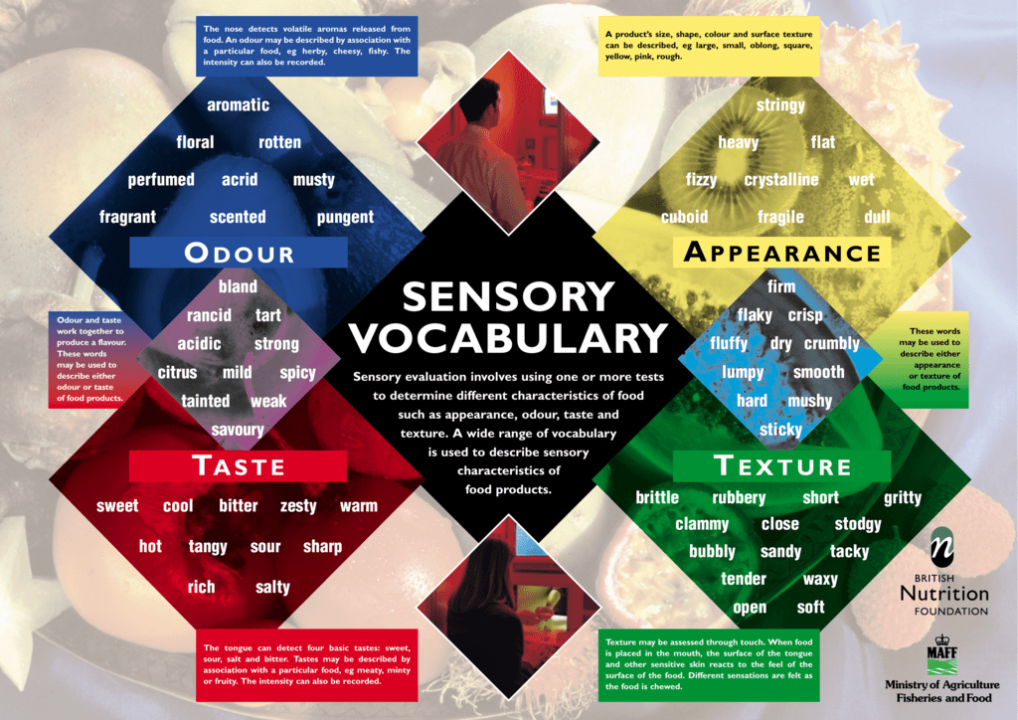
Sensory analysis is a scientific discipline aimed at measuring, evaluating and interpreting product characteristics perceived through the five senses: sight, smell, taste, touch and hearing. This course covers fundamental principles essential for food processing and product quality research. Students will learn about the physiological, psychological and environmental factors influencing sensory responses, as well as key evaluation methods including discriminative tests (product comparison), descriptive tests (sensory attribute characterization) and hedonic tests (preference and acceptability). The course emphasizes sample preparation, testing conditions, sensory panel selection and training, and statistical data interpretation to ensure reliable and scientifically rigorous results. By the end of this course, students will understand the critical role of sensory analysis in new product development, quality control and meeting consumer expectations. They will be equipped to design and conduct sensory evaluations according to recognized standards and protocols, developing analytical and critical thinking skills essential for innovation and consumer satisfaction.