Résumé de section
-
-
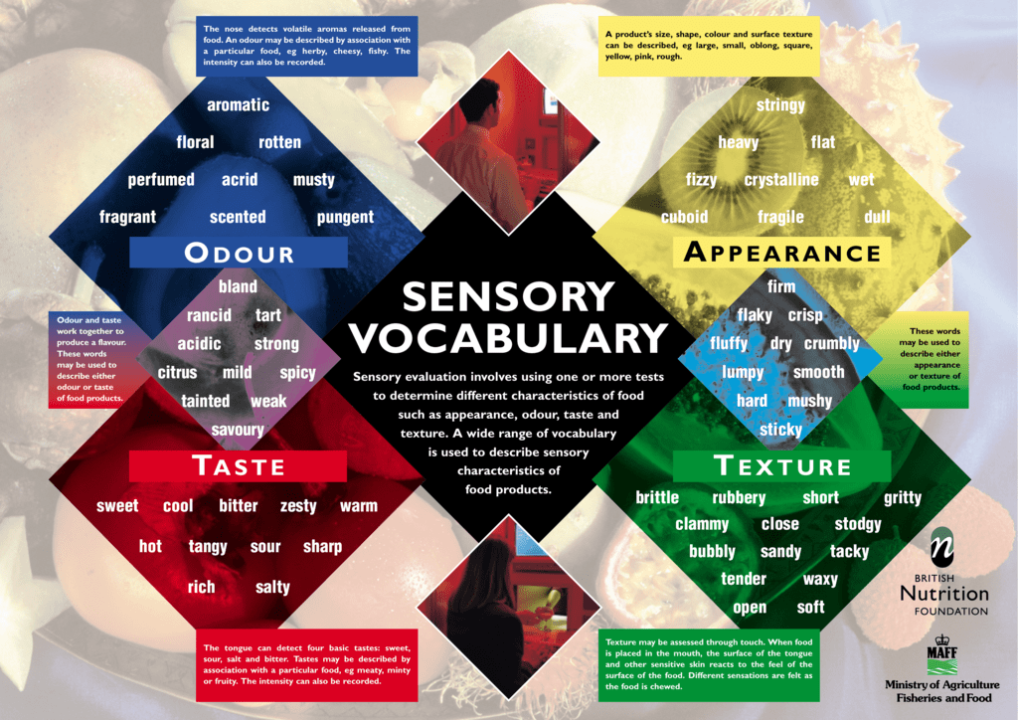
This introductory course provides foundational knowledge in sensorial (organoleptic) analysis techniques. Students will discover how human senses are used as analytical tools to evaluate the quality and characteristics of various products. the students will learn the basics of sensory evaluation through hands-on training in taste, smell, sight, touch, and hearing assessment. The course covers fundamental concepts, terminology, and simple testing methods used across food, beverage and environmental industries.
-
-
-
This course provides comprehensive training in the sensory evaluation of water quality. Students will learn to assess water through organoleptic properties including taste, odor, color, and turbidity. The curriculum covers standardized sensory analysis methods, panel training techniques, and interpretation of results according to water quality standards.
-
-
-
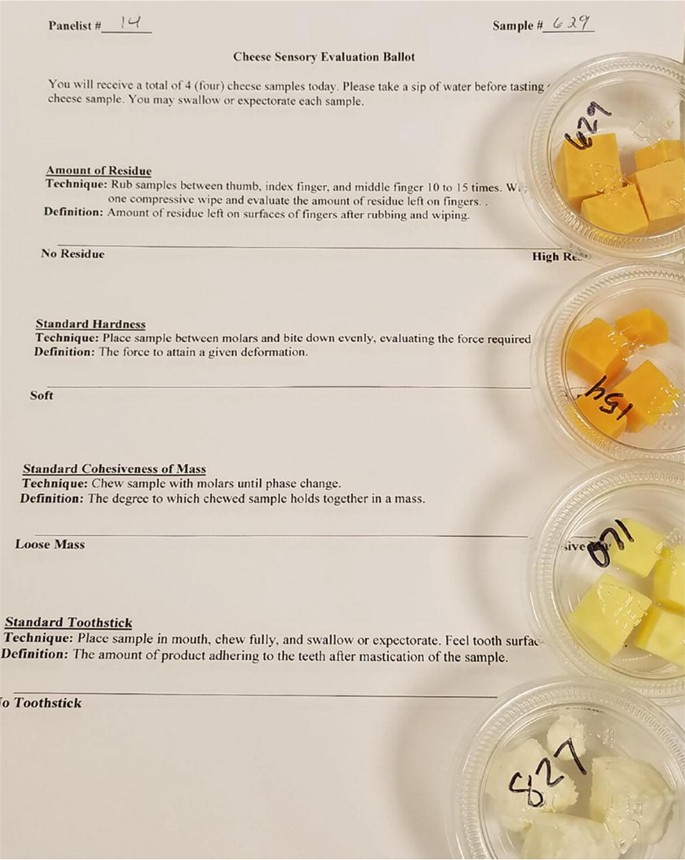
This course introduces the fundamentals of sensory evaluation of milk and dairy products. Students learn how to assess appearance, texture, aroma, and flavor using standardized methods to support quality control and product development.
-
-
-

This workshop provides a hands-on introduction to data analysis and sensory profiling in food. Students will learn how to interpret experimental data, f
ollowed by practical training in constructing sensory profiles.
-
-
-
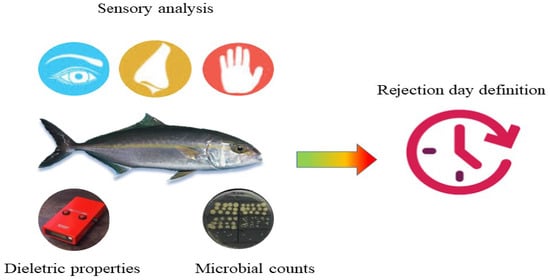
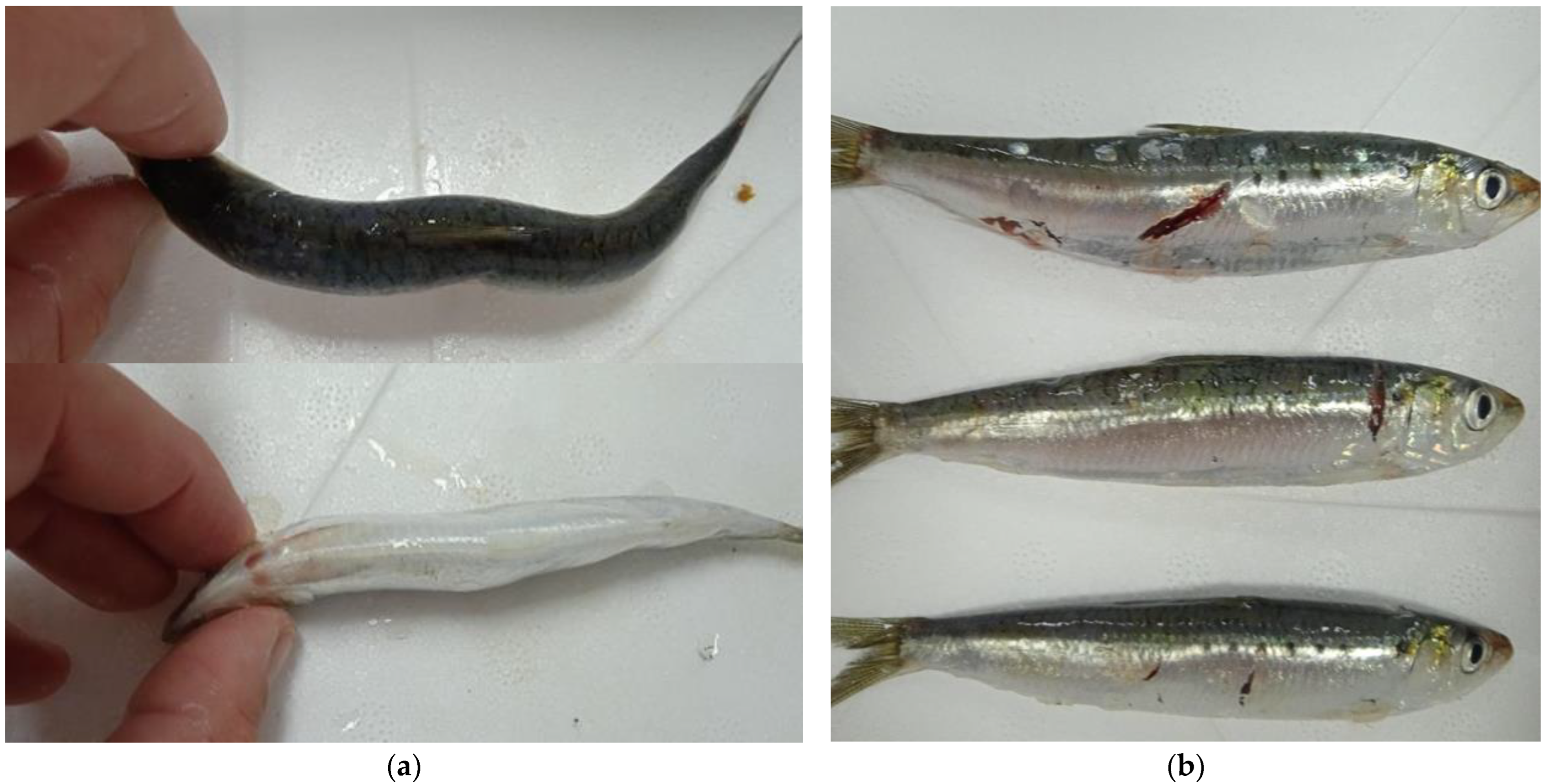
This course covers the principles and methods for evaluating the quality and freshness of fish and seafood through sensory analysis. Students will learn standardized testing techniques, quality indicators, and practical assessment skills essential for the seafood industry.
-
How to test Seafood Quality by Sight, Touch, Taste and Smell
-
 https://claude.ai/public/artifacts/bf4e2d53-c5c2-42c6-bc7a-d25c473f694a